Italian Marble at Best Price in India | Types, Price, Uses & Guide
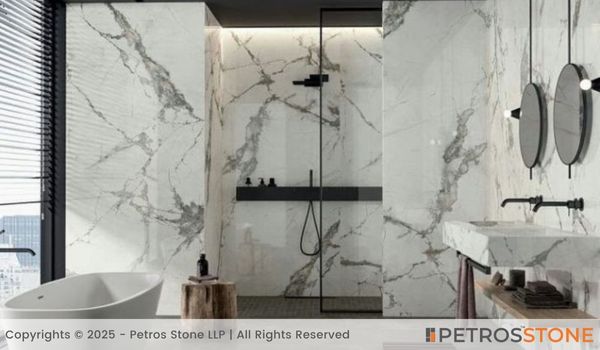
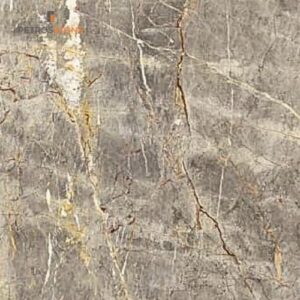
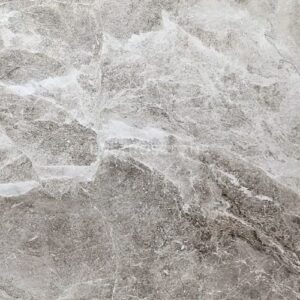
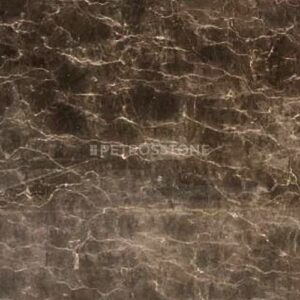
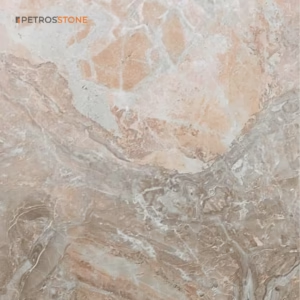
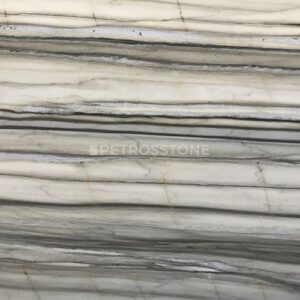
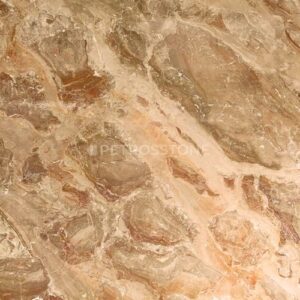
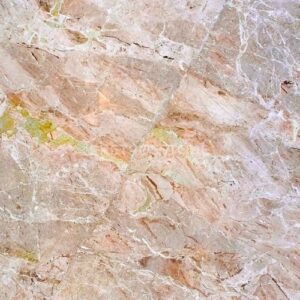
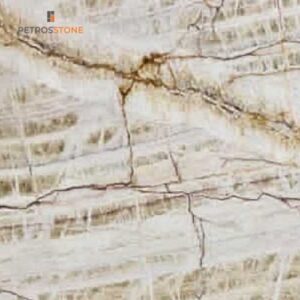
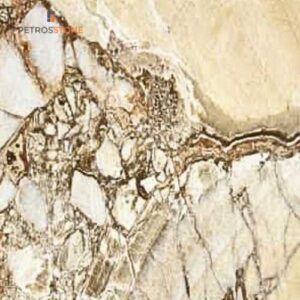
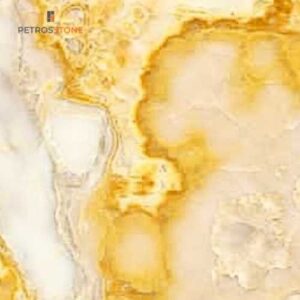
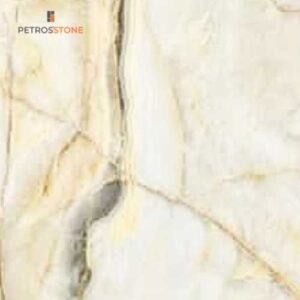
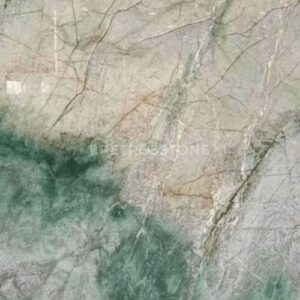
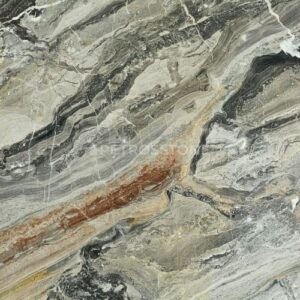
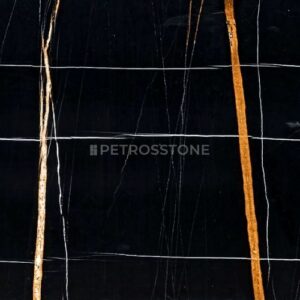
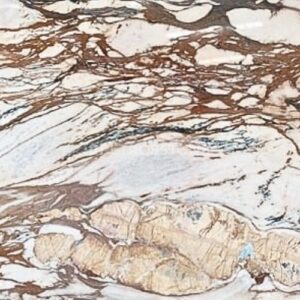
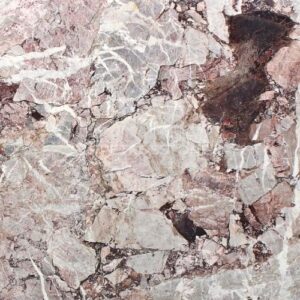
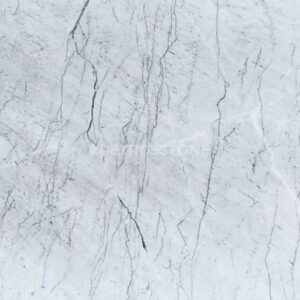
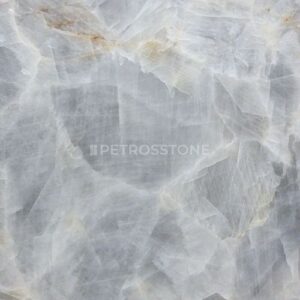
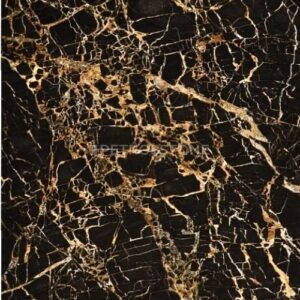
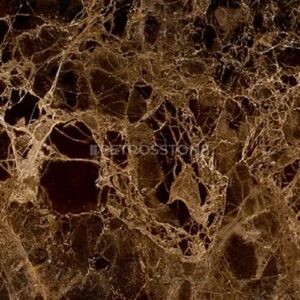
Italian Marble has always been synonymous with luxury, elegance, and timeless design. Quarried from the rich stone regions of Italy, this marble is celebrated for its refined colors, high polish, and distinctive veining that elevate any space. From ancient Roman structures to today’s luxury villas and hotels, Italian Marble has remained a symbol of opulence across centuries.
Some of the most famous Italian marbles include:
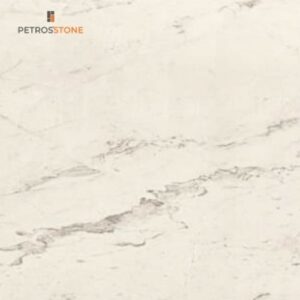
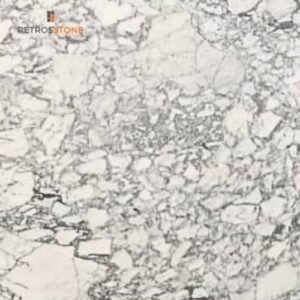
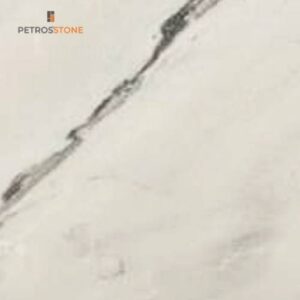
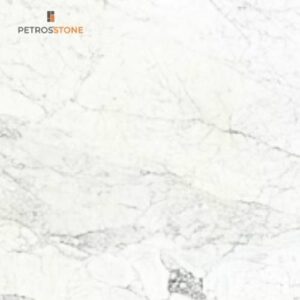
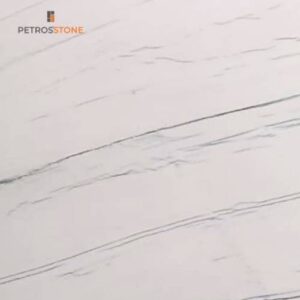
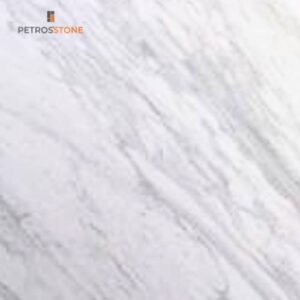
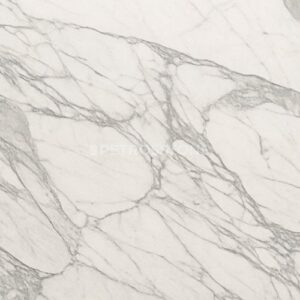
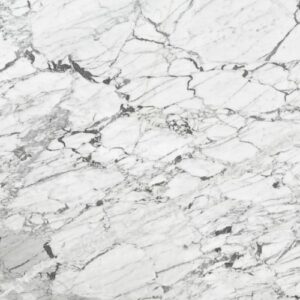
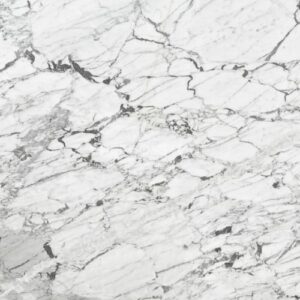
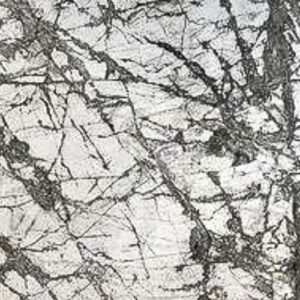
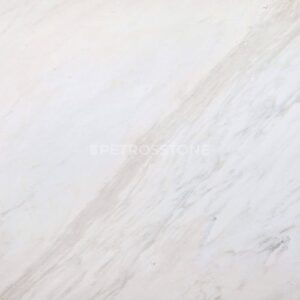
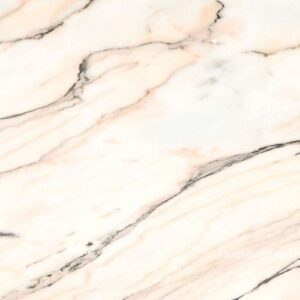
Carrara Marble – Soft white background with light grey veins.
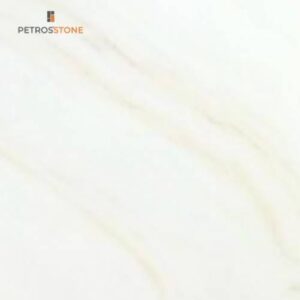
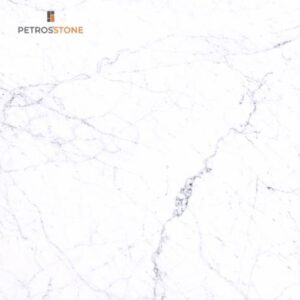
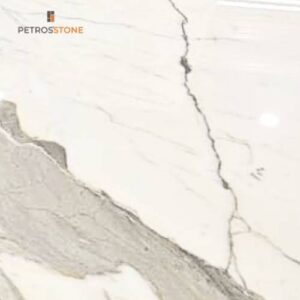
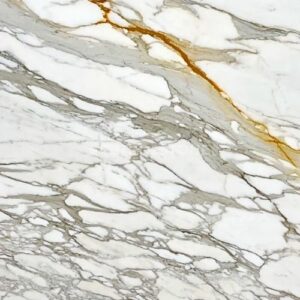
Calacatta Marble – Bold veining with striking patterns in gold and grey.
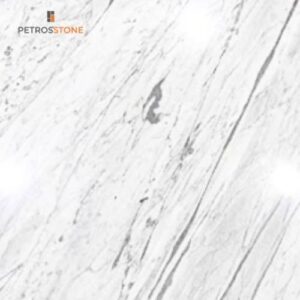
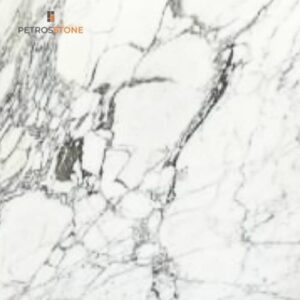
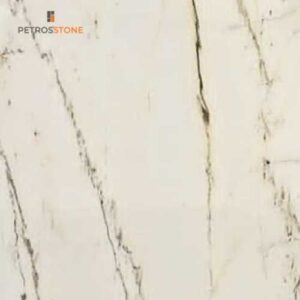
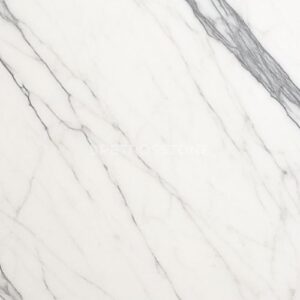
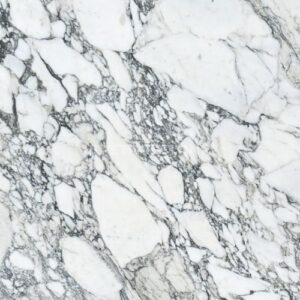
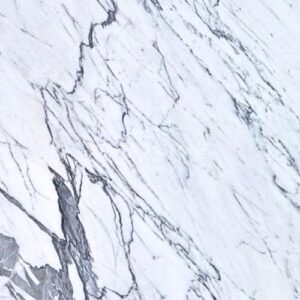
Statuario Marble – Pure white with dramatic, thick grey veining.
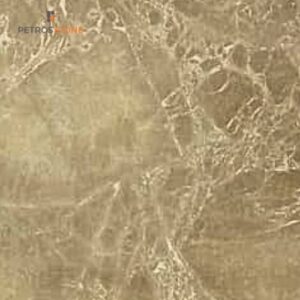
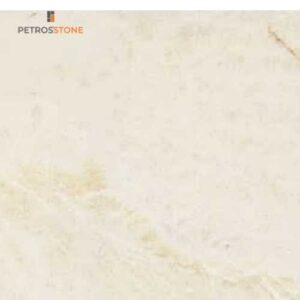
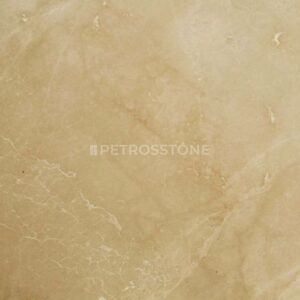
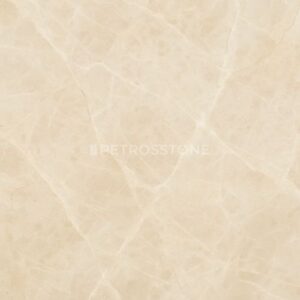
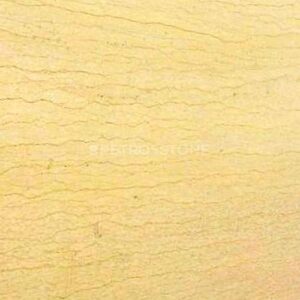
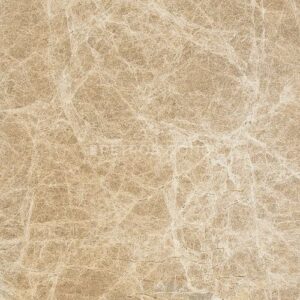
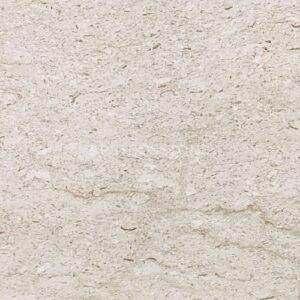
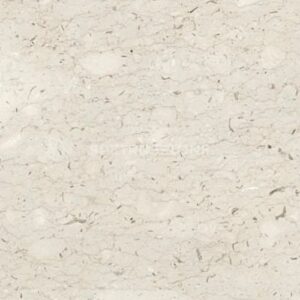
Botticino Marble – Warm beige tones with subtle patterns.
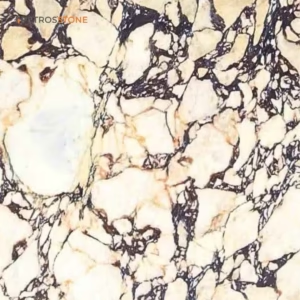
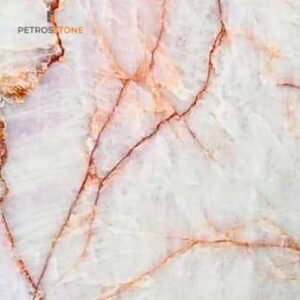
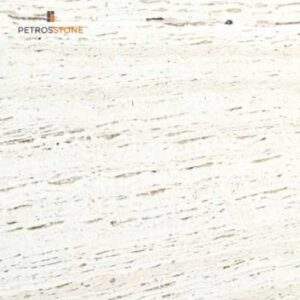
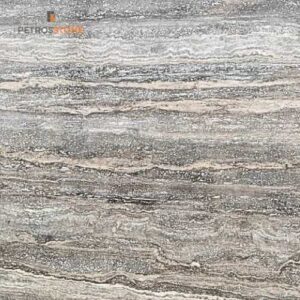
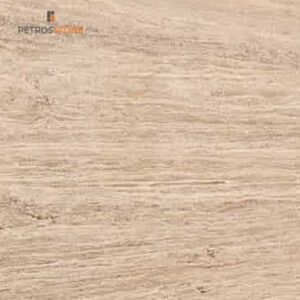
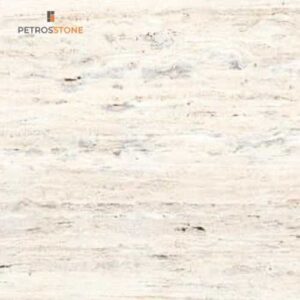
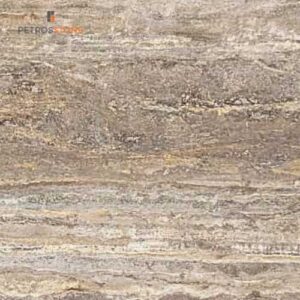
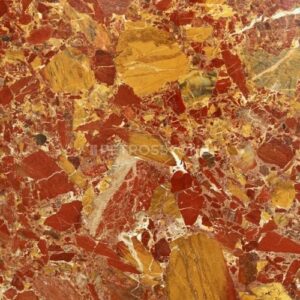
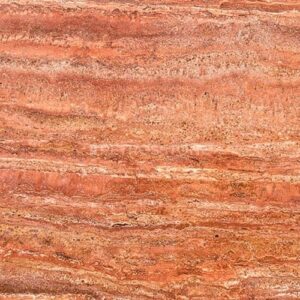
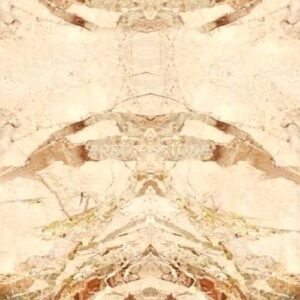
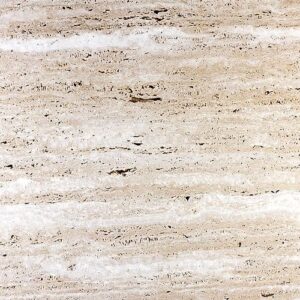
Travertine & Perlato Sicilia – Rustic finishes, perfect for interiors and façades.
Whether you’re designing a luxury home, commercial lobby, or premium bathroom, Italian Marble is the go-to choice for timeless sophistication.
Price Range of Italian Marble
Italian Marble is considered a premium natural stone, and prices vary by type and grade.
Carrara Marble: ₹350 – ₹700 per sq. ft.
Calacatta Marble: ₹500 – ₹1,200 per sq. ft.
Statuario Marble: ₹700 – ₹1,800 per sq. ft.
Botticino Marble: ₹250 – ₹500 per sq. ft.
Travertine & Other Italian Varieties: ₹200 – ₹800 per sq. ft.
Export prices generally range between USD 30 – USD 200 per sqm, depending on rarity and thickness.
For bulk orders, WhatsApp us today for best factory pricing.
Origin of Italian Marble
Italian Marble is primarily quarried in the Carrara region of Tuscany, Italy, which has been supplying stone for over 2,000 years. Other notable quarries are in Verona, Brescia, and Sicily, producing unique variations.
The Carrara mountains are world-famous for producing Carrara, Calacatta, and Statuario, which are still the most sought-after stones in the luxury marble market today.
Italian Marble is used in luxury construction and design projects across the world.
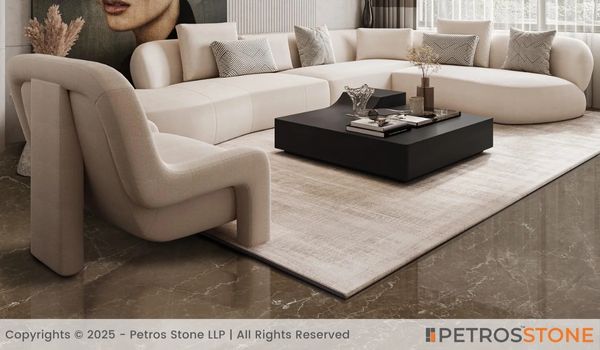
Flooring: Adds elegance and grandeur to homes, hotels, and offices.
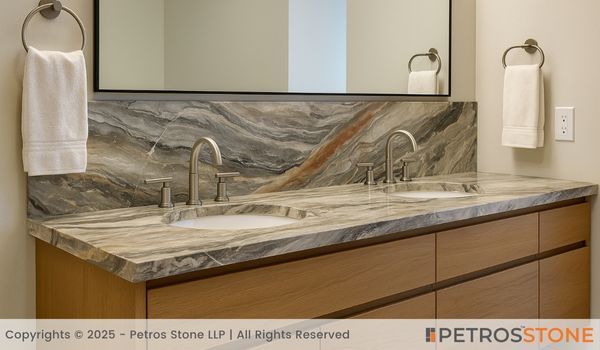
Countertops & Vanities: Perfect for luxury kitchens and bathrooms.
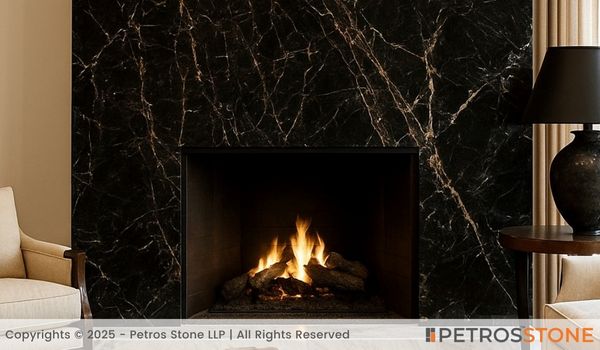
Wall Cladding: Enhances interiors with bold veining and a polished look.
Staircases: Creates a royal, flowing finish in residential and commercial projects.
Exterior Façades: Certain types like Travertine and Perlato are used for outdoor cladding.
Sculptures & Decorative Elements: Historically used in art and architecture.
Uses of Italian Marble?
Elegant, timeless appeal that enhances property value.
Wide range of colors, patterns, and veining.
Highly polished surface for a premium look.
Globally recognized for quality and beauty.
Advantages and Disadvantages of Italian Marble
Pros of Italian Marble
Elegant, timeless appeal that enhances property value.
Wide range of colors, patterns, and veining.
Highly polished surface for a premium look.
Globally recognized for quality and beauty.
Cons of Italian Marble
More expensive compared to Indian Marble.
Requires sealing and regular maintenance.
Softer varieties may be prone to scratches and stains.
Longer lead times for imported materials.
Why Choose Italian Marble?
Italian Marble is often considered the pinnacle of luxury in natural stone. Its superior polish, exquisite veining, and centuries-old reputation make it a favorite among architects, interior designers, and luxury homeowners. If you want to create a space that feels timeless, sophisticated, and unique, Italian Marble is the ultimate choice.
Technical Specification
Technical Information
Specifications
Slab Width
5 – 7 feet (152–213 cm)
Slab Length
9 – 11 feet (274–335 cm)
Thickness Options
15–20 mm (tiles), 20–30 mm (slabs)
Compressive Strength
~1450–1600 kg/cm²
Water Absorption Rate
0.15 – 0.25%
Availability and Rarity of Italian Marble
Italian Marble is less abundant compared to Indian Marble, making it rarer and more exclusive. Premium types like Statuario and Calacatta are especially limited in availability, which contributes to their high price tags.
FAQs
Q1. Is Italian Marble better than Indian Marble?
Italian Marble is prized for its luxury and polish, while Indian Marble is more durable and affordable. Both have unique advantages.
Q2. Where is Italian Marble mainly quarried?
Most Italian Marbles come from Carrara, Tuscany, and Verona regions in Italy.
Q3. What is the difference between Carrara and Calacatta Marble?
Carrara has softer, lighter veining, while Calacatta has bold, dramatic veining with gold or grey tones.
Q4. Is Italian Marble good for kitchen countertops?
Yes, but sealing is required to protect from stains and scratches.
Q5. Why is Italian Marble so expensive?
Scarcity, international demand, and superior quality make Italian Marble more costly than other marbles.
Copacabana Marble
Roso Alicante Marble
Silver Breccia Marble
Fior Di Bosco Marble
Breccia Black Marble
Breccia Capraia Marble
Volakas Bianco Marble
Bianco Lasa Vena Oro Marble
Spanish Beige Marble
Statuario Classico Marble
Statuario Venatino Marble
Statuario Venato Marble
Statuario Marble
Calacatta Viola Marble
Calacatta Lincoln Marble
Calacatta Monet Marble
Calacatta Aurelia Marble
Calacatta Belgia Marble
Calacatta Statuario Marble
Patagonia Pink Marble
Grey Fusion Marble
Black Titanium Marble
Calacatta Burgundy Marble
Picasso Grey Marble
Rose Crystallo Marble
Bianco Antico Marble
Monalisa White Marble
Alpine Patagonia Marble
Botanic Bordeaux Quartzite
Coral Azul Quartzite
Botanic Green Quartzite
Tropical Green Quartzite
Verde Gaya Quartzite
Venice Patagonia Quartzite
Alaska Gold Quartzite
Roma Grey Quartzite
Silver Patagonia Quartzite
White Gaze Patagonia Quartzite
Delicatus White Quartzite
Patagonia Gold Quartzite
Bold Grey Patagonia Quartzite
Botanic Wave Quartzite
Bramante Maestro Quartzite
Grey Patagonia Quartzite
Crystal White Patagonia Quartzite
Cristallo Rose Quartzite
Niagara Green Quartzite
Silver Travertine
Dark Silver Travertine
Travertine Labrador
Beige Travertine
Beige Titanium Travertine
Ivory Honey Onyx Marble
Golden Cloud Onyx Marble
Mexican Amber Onyx Marble
Crema Onyx Marble
Golden Pink Onyx Marble
Morchana Brown Onyx Marble
Caramel Onyx Marble
Golden Claude Onyx Marble
Lime Green Onyx Marble
Rainforest Onyx Marble
Cielo Del Sahara Giallo Onyx Marble
Alphonso Onyx Marble
Light Honey Onyx Marble
Golden Spider Onyx Marble
Smoky Brown Onyx Marble
Gold Onyx Marble
Yellow White Onyx Marble
Yellow Onyx Marble
Yellow Crystal Onyx Marble
Honey Onyx Marble
Lemon Onyx Marble
Rainbow Onyx Marble
White Onyx Marble
Crystal White Onyx Marble
Light Green Onyx Marble
White Green Onyx Marble
White Mango Onyx Marble
Green Onyx Marble
Blue Onyx Marble
Rosso Onyx Marble
Honey White Onyx Marble
Pink Onyx Marble
Grey Onyx Marble
Pink White Onyx Marble
Himalayan Onyx Marble
Tiger Onyx Marble
White Aravali Marble
Jade Green Marble
Panda Wave Marble
Himalayan Green Marble
All Spyder Grey Marble
Spyder Grey Marble
Teak Marble
Indian Marmara Marble
Bruno Marble
Indian Statuario Marble
Petros White Marble
William Grey Marble
Indian Patagonia Marble
Indian Calacatta Panda Marble
White Wood Marble
Botanic Green Marble
Noir St Laurent Marble
Baltic Sea Wave Marble
Black Forest Marble
Autumn Yellow Marble
Ice Beige Marble
Exposed Concrete Marble
Cafe Amaro Marble
Versace Grey Marble
Grey William Marble
Black Sparrow Marble
Grey Lobbies Marble
Carpe Diem Marble
Bulgari Grey Marble
Bottega Grey Marble
Bossy Grey Marble
Blue Breccia Marble
Armani Grey Marble
Laurent Brown Marble
Chianti Grey Marble
Brecha Rosetta Marble
Armani Beige Marble
Alaska Grey Marble
Amarone Marble
Breccia Onichita Marble
Zebrino Marble
Walnut Brown Marble
Versace Gold Marble
Verde Landscape Marble
Azul Macaubas Marble
Veino Macaubas Marble
St Laurent Marble
Statuario Manhattan Marble
Statuario Extra Marble
Statuario Calacatta Borghini Marble
Arabescato Corchia Marble
Ombra Di Caravaggio Marble
Silver Serpeggiante Marble
Serpeggiante Marble
Scabas Marble
Sequoia Brown Marble
Sarrancolin Marble
Santa Maria Marble
Sand Dunes Marble
Red Travertine Marble
Silver Portoro Marble
Amazonite Marble
Patagonia Marble
Mariana Marble
Lumina White Marble
Lilac Super Extra Marble
Irish Green Marble
Invisible Grey Marble
Gris Avoie Marble
Gris Aquila Marble
Grigio Armani Marble
Giallo Spider Marble
Fusion Breccia Marble
Grey Floriana Marble
Eramosa Marble
Bianco Dalmata Marble
Creme Dark Marble
Confusion Dark Marble
Carnico Marble
Cappuccino Marble
Breccia Oniciata Marble
Breccia Aurora Imperial Marble
Blue Tiger Eye Marble
Black Beauty Marble
Calacatta Vagli Marble
Bianco Lasa Marble
Bardiglio Marble
Aquamarine Marble
Artico Marble
Calcite Azul Marble
Sahara Noir Marble
Calacatta Rosso Marble
Les Quatre Saisons Marble
Vietnam Albeta Marble
Venatino White Marble
Supreme Vietnam White Marble
Opal White Marble
Italian Statuario Marble
Rosso Levanto Marble
Grey Chigan Marble
Choco Marfil Marble
Shiva Marble
Light Emperador Marble
Di Martino Turkish Marble
Breccia Aurora Marble
Travertine Marble
Perlato Sicilia Marble
Perlato Royal Marble
Michelangelo White Marble
Golden Portoro Marble
Golden Calacatta Marble
Dark Emperador Marble
Get the Best Price
Fill in your details, and our team will get back.
Don’t worry, your data is safe with us under DPDPA 2023 ACT
✕
Get Expert Consultation
Chat Support | Petros®
Welcome to Petros. Get expert consultation for your project!